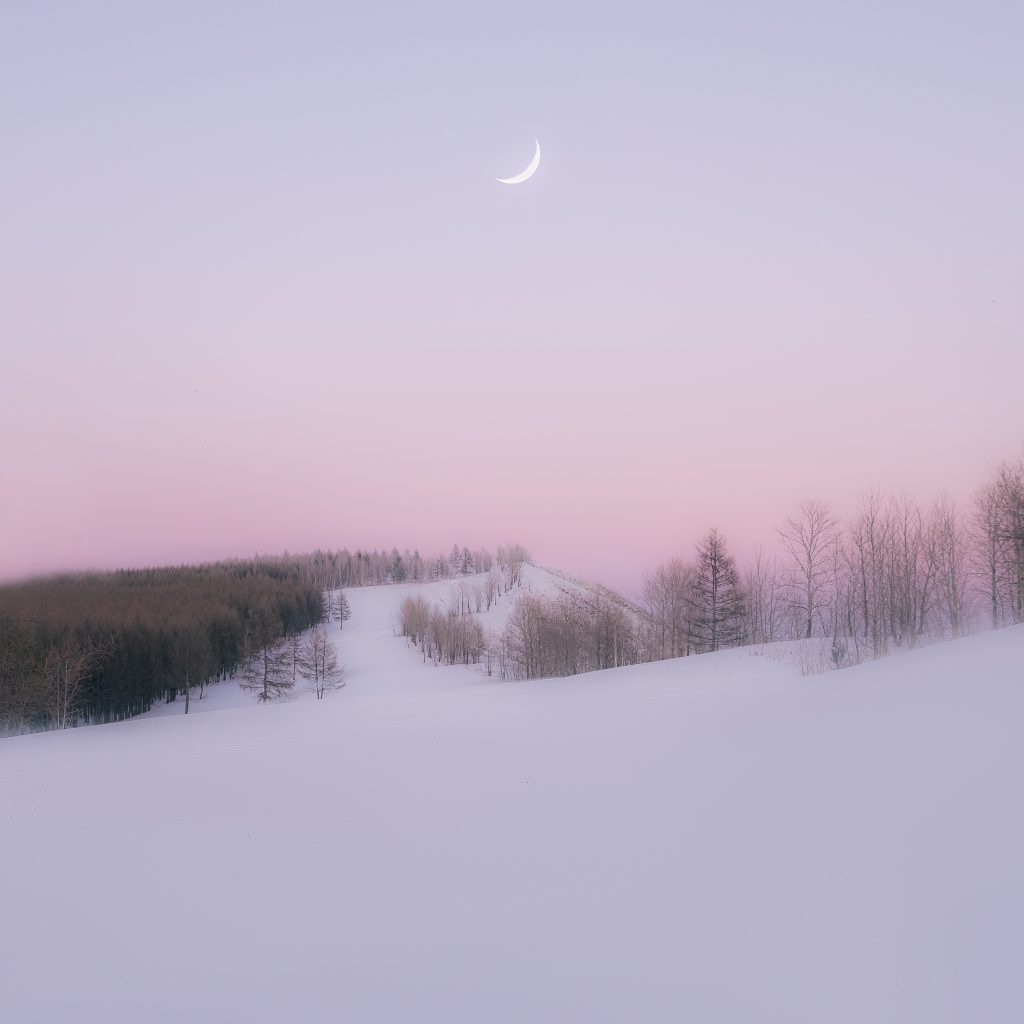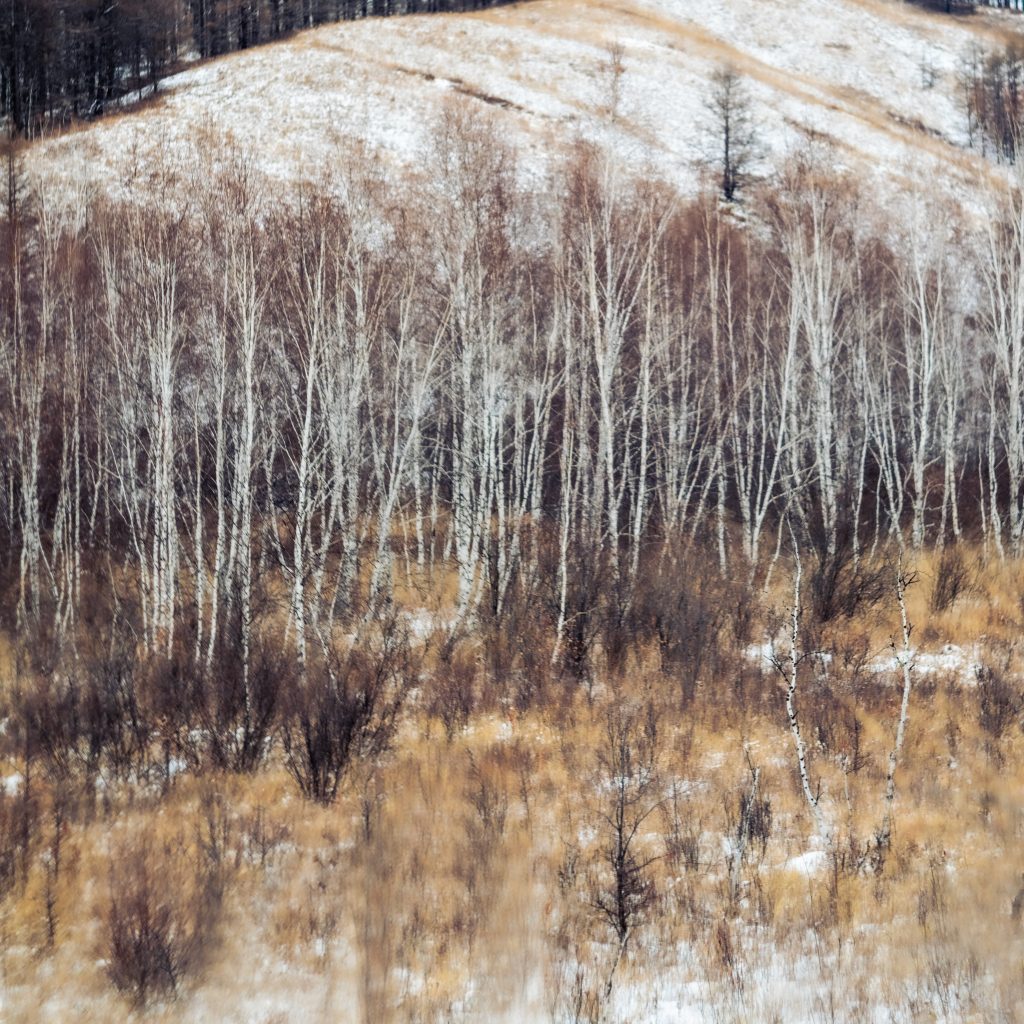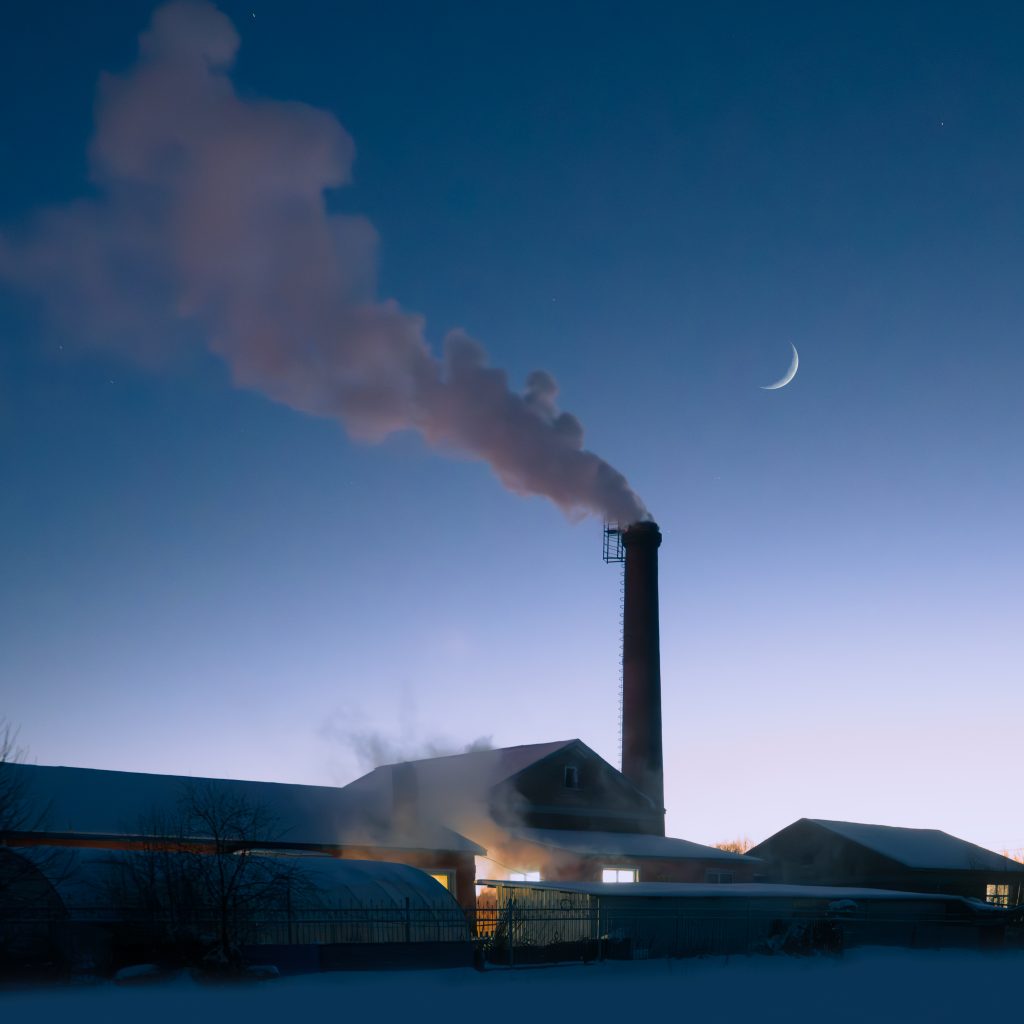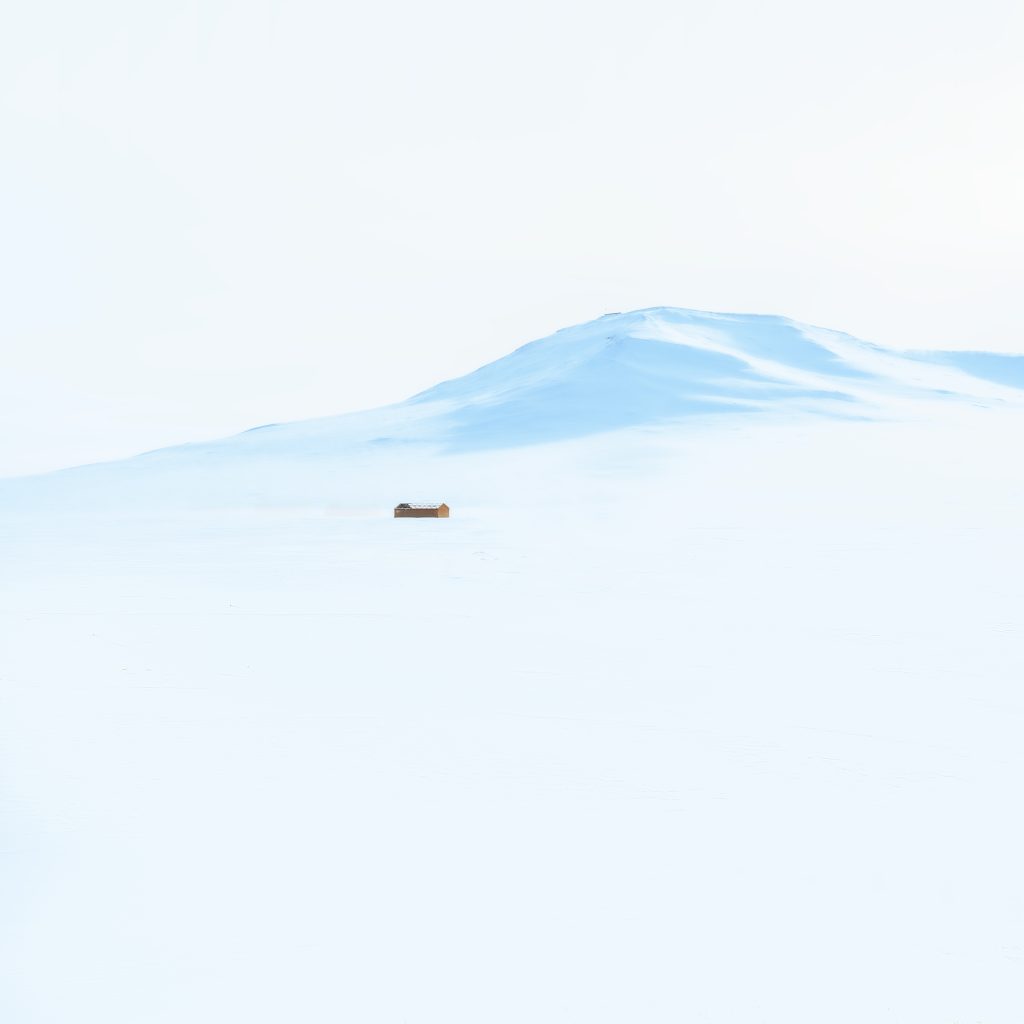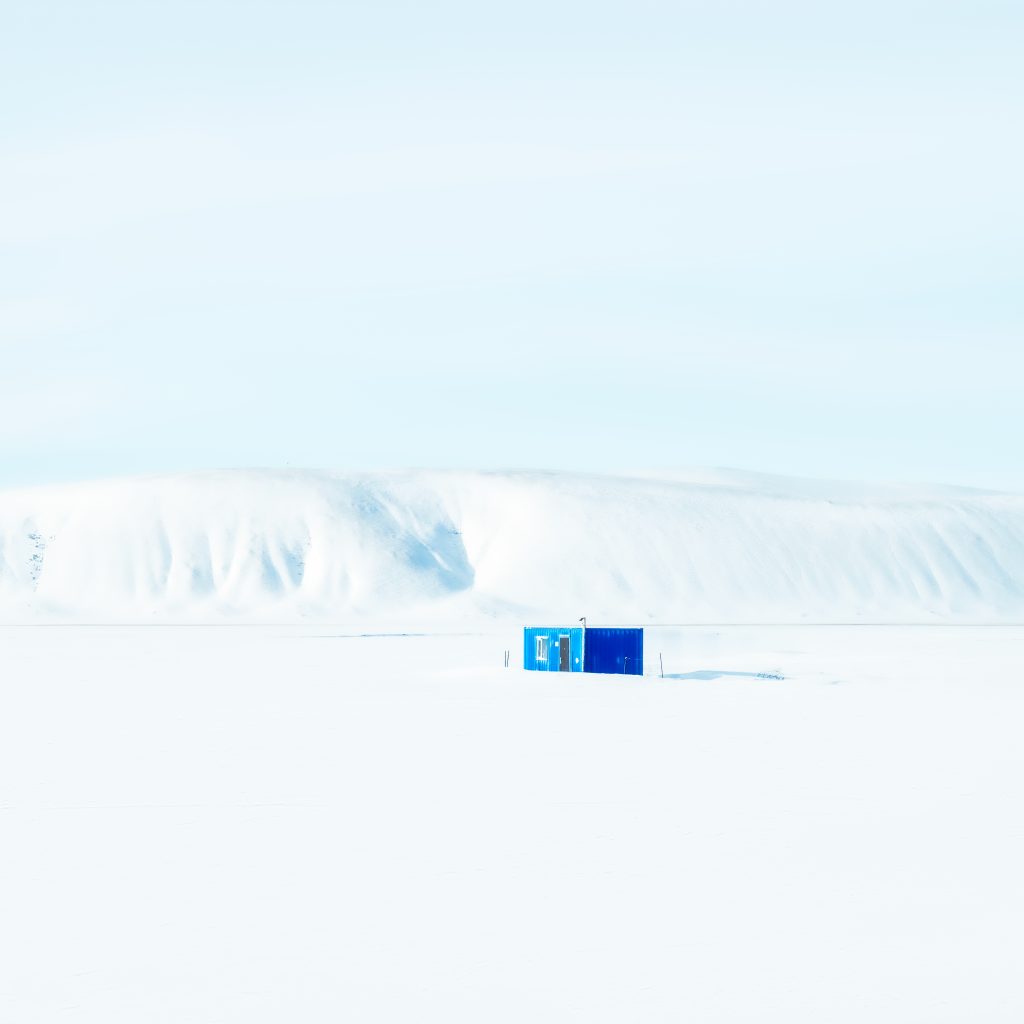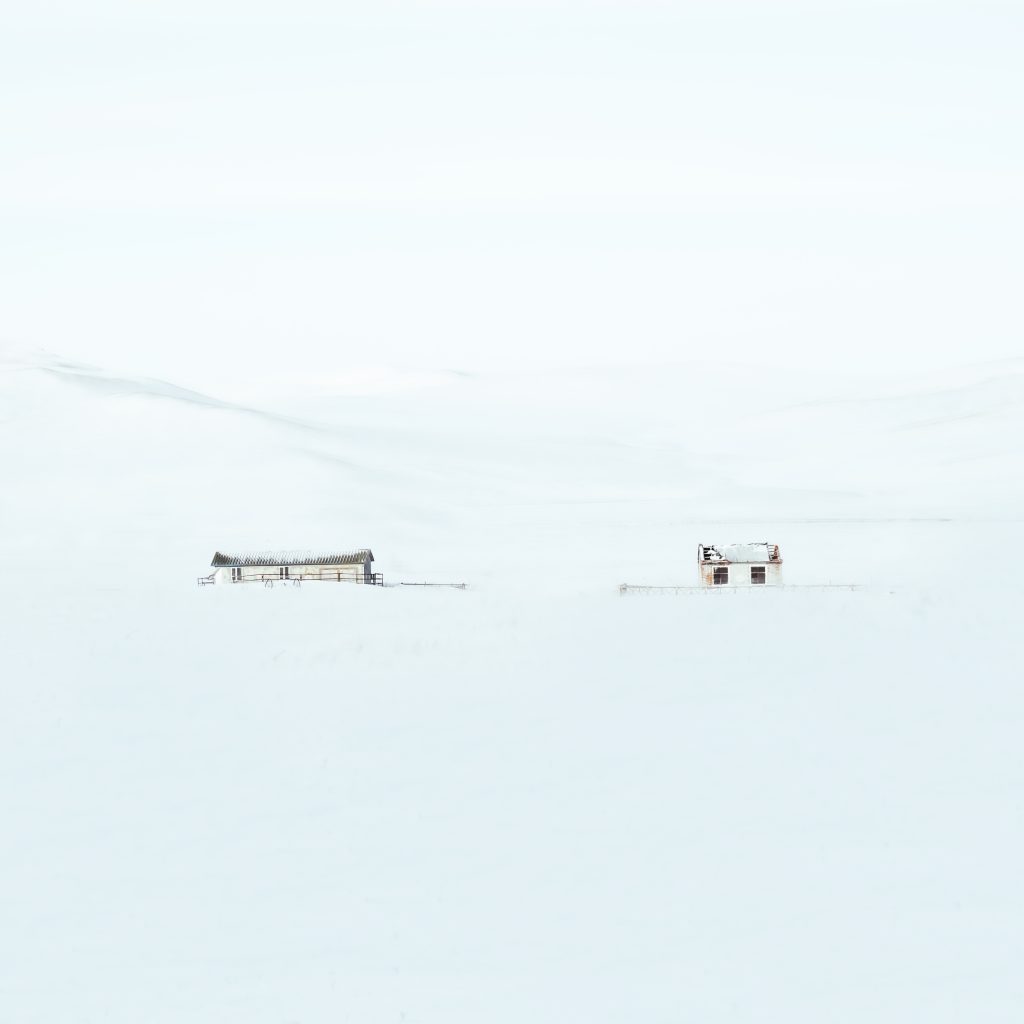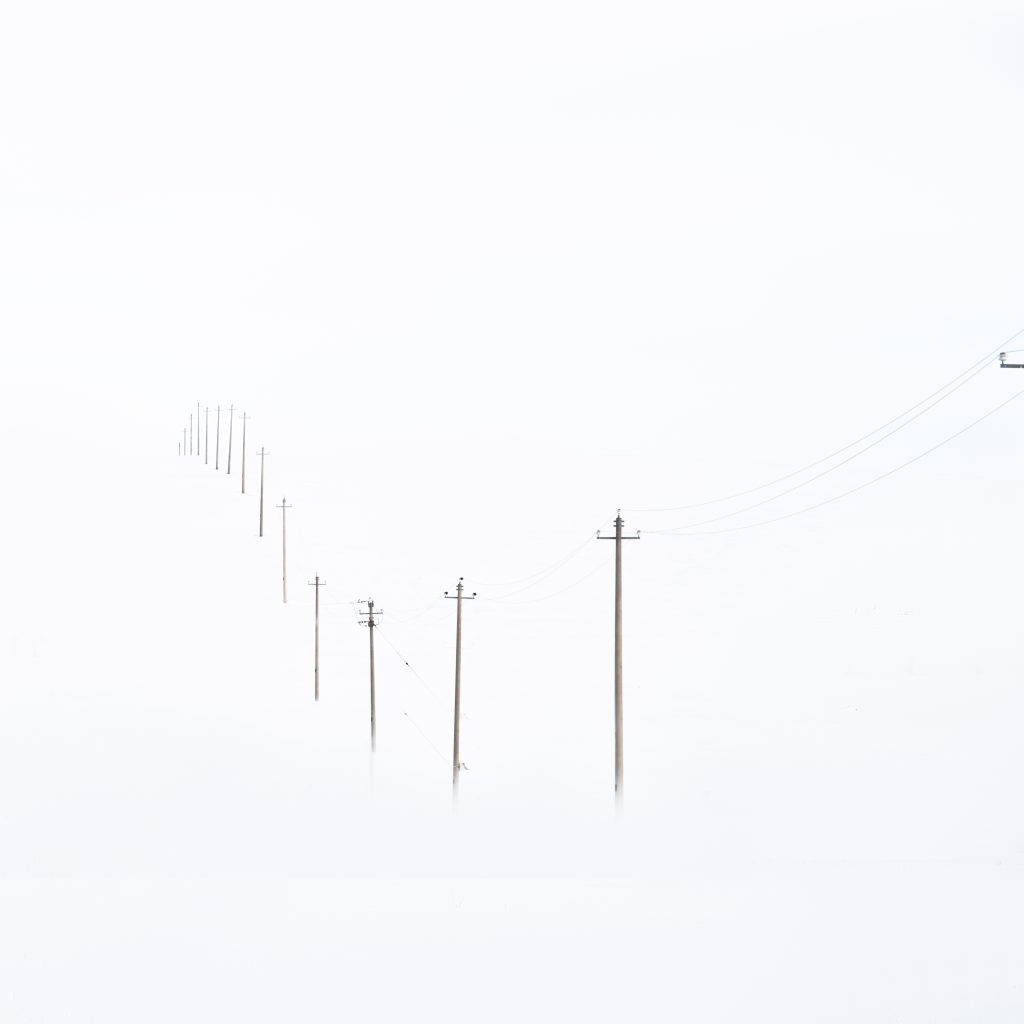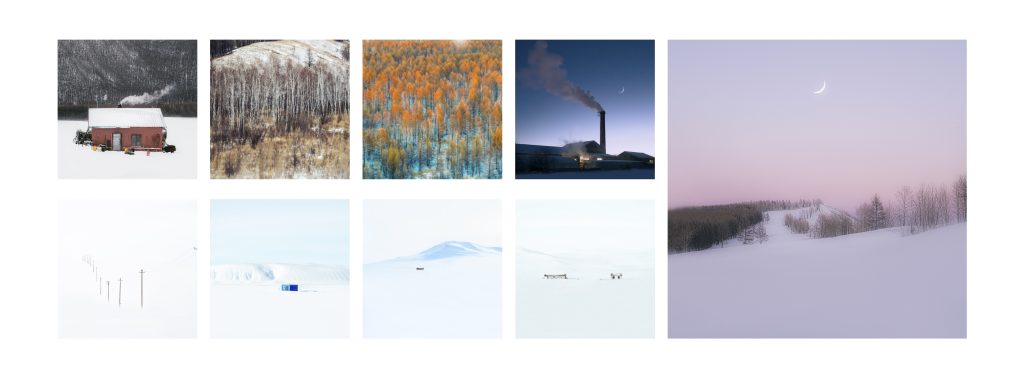
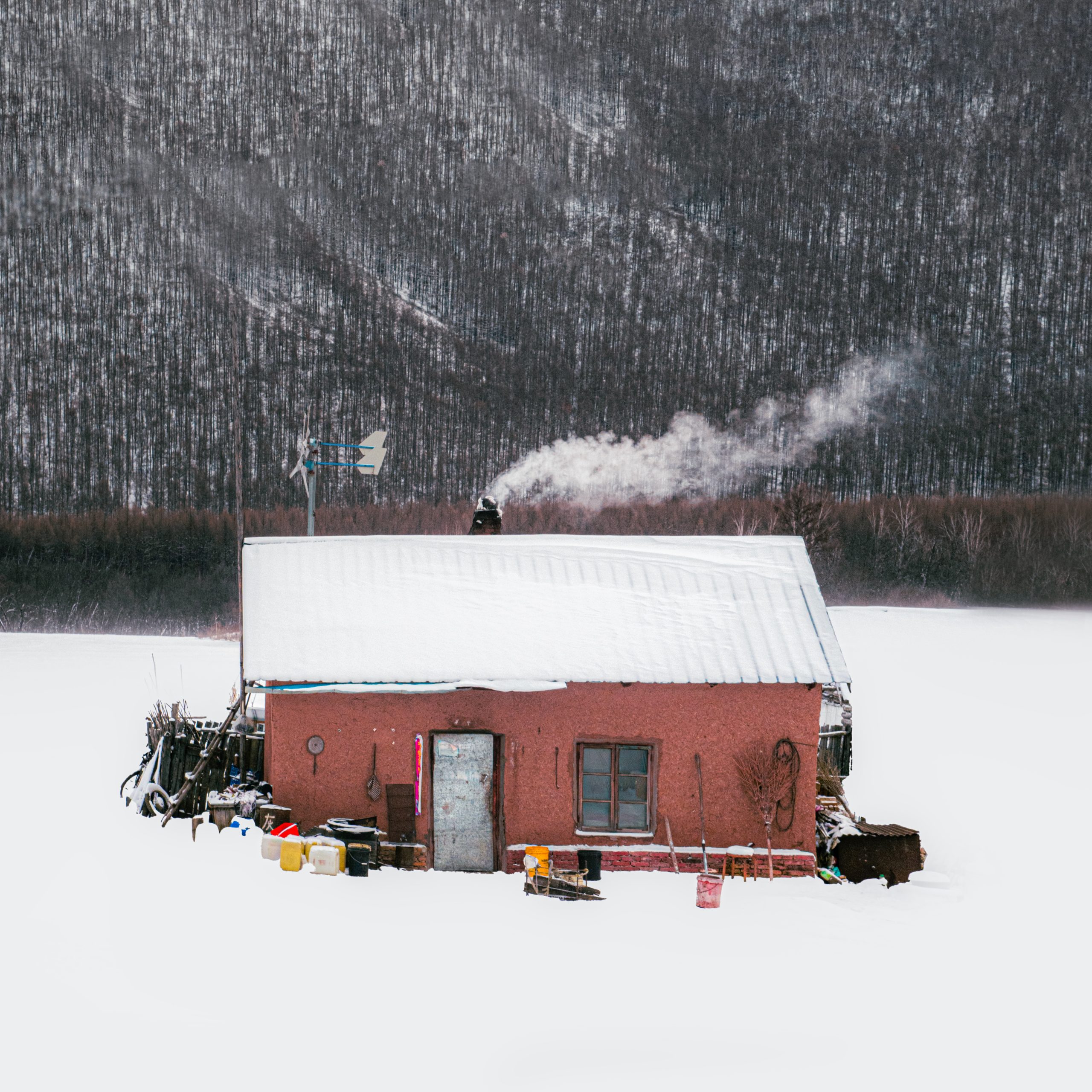
To be pale white is not to be empty, but a form of filtering. It temporarily strips away noise, clutter, and excessive emotions, returning the viewer to a relaxed and pure visual state. In this state, overlooked colours — a faint warm red on a snow slope, a quiet withered yellow in the woods, a wisp of icy blue in the mist — are magnified anew and become the protagonists of the world.
What I wish to express is that when the external world is simplified to its lightest form, our inner perception grows sharper instead. Pale White World is like a mirror, revealing the emotional textures within us as we wander between solitude, silence, the ordinary, and nature. It does not seek to present a cold and desolate world, but rather to let every hint of colour, every trace of warmth, and every tiny existence gain greater power amid that quiet stillness.


Concept Statement
In traditional Oriental aesthetics, the concept of Emptiness never means sheer nothingness or hollow blankness. It is a profound philosophical and aesthetic state rooted in Chinese Taoism and Zen thought — the subtle tension between existence and absence, restraint and abundance, silence and emotion.
Emptiness is the blank space in Chinese ink painting, the quiet lingering mood in ancient poetry, and the detached perspective of viewing all things. It strips away trivial noise, excessive decoration and intense sensory stimulation, leaving ample breathing room for perception, imagination and inner reflection. This oriental philosophy advocates returning to the essence of all beings, using subtle, desaturated and minimalist visuals to carry profound inner emotions, and achieving the aesthetic realm of “less is more”.
My photographic series The Pale White World is a direct visual interpretation and emotional practice of this oriental “Emptiness”.
Visually, I fade out rich colours, strong contrast and complicated details, and take pale, muted whiteness as the core tone of the whole series. The snow-covered wilderness, desolate silent land, fog-shrouded fields and stagnant winter landscapes eliminate the hustle of the secular world. The redundant traces of life are hidden by cold and tranquility, condensing all scenes into the most primitive and pure form. This visual blankness is the concrete presentation of oriental emptiness: removing interference, retaining essence, and using minimalist frames to build a quiet and isolated spiritual field.
Narratively, the series abandons dramatic plots, human figures and deliberate emotional guidance. Every still, quiet frame becomes a silent container. There is no forced expression or definite interpretation. The boundless empty scenery dilutes the sense of time and reality, forming a gentle sense of alienation and solitude. Following the oriental aesthetic logic of “leaving blank for resonance”, I leave enough emotional space for viewers, allowing everyone to put their own memories, loneliness and inner peace into these pale scenes, and complete the spiritual dialogue between image and soul.
Spiritually, the frozen and barren winter wilderness is the best carrier of inner emptiness. When all things fade and fall into silence, the external noisy world is temporarily blocked. The emptiness of the landscape corresponds to the introspective state of mind. What the works convey is not desolation, but a kind of detached tranquility and inner order. In the vast pale white world, individual anxiety and trivial desires are weakened, and it leads people to calm down, look inward, and perceive the subtle power hidden in silence and blankness.
To sum up, The Pale White World takes winter wilderness as the carrier and pale monochrome as the language. It deeply responds to the core connotation of Oriental aesthetic Emptiness — restrained, minimalist, quiet and inclusive. Through the lens, I reconstruct the modern oriental artistic conception, integrate personal inner perception into the traditional empty aesthetic, and use quiet pale imagery to convey the lasting power of silence, blankness and subtle emotion in the contemporary context.